
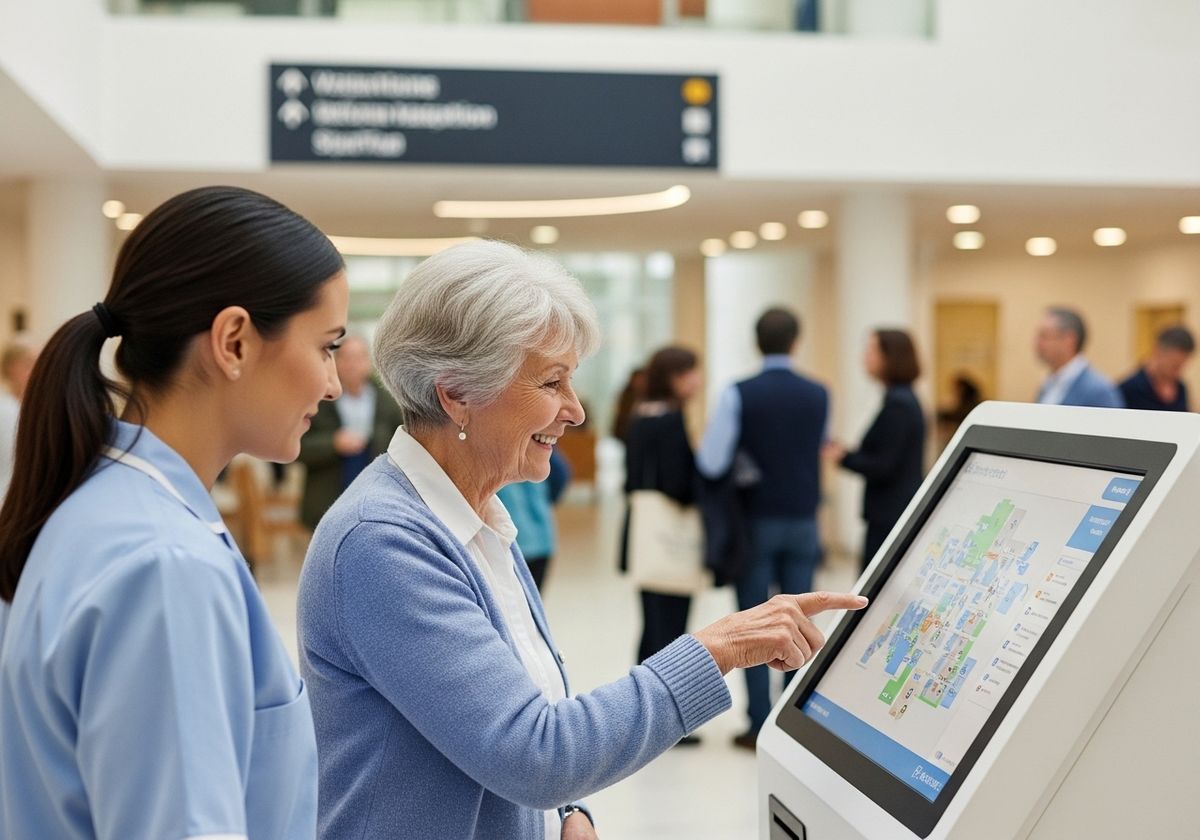
Navigating large healthcare facilities can be a daunting task for patients and visitors alike. Effective wayfinding is crucial for reducing stress, improving appointment adherence, and enhancing the overall patient experience. Traditionally, static signs have been the go-to solution for guiding people through hospitals and clinics. However, with advancements in technology, interactive maps from BES Industries are emerging as a powerful alternative. But which approach truly drives better patient navigation outcomes?
The Limitations of Static Signs
Static signs have long been a staple in healthcare environments. They offer a fixed, consistent form of guidance, directing individuals to various departments, services, and amenities. However, their limitations become apparent in complex or frequently changing environments. Static signs can be confusing, especially for first-time visitors or those unfamiliar with the facility's layout. They often lack the granularity needed to guide individuals to specific locations, such as a particular room or specialist's office. Moreover, static signs require manual updates, making it challenging to keep pace with facility expansions, renovations, or departmental relocations.
The Advantages of Interactive Maps
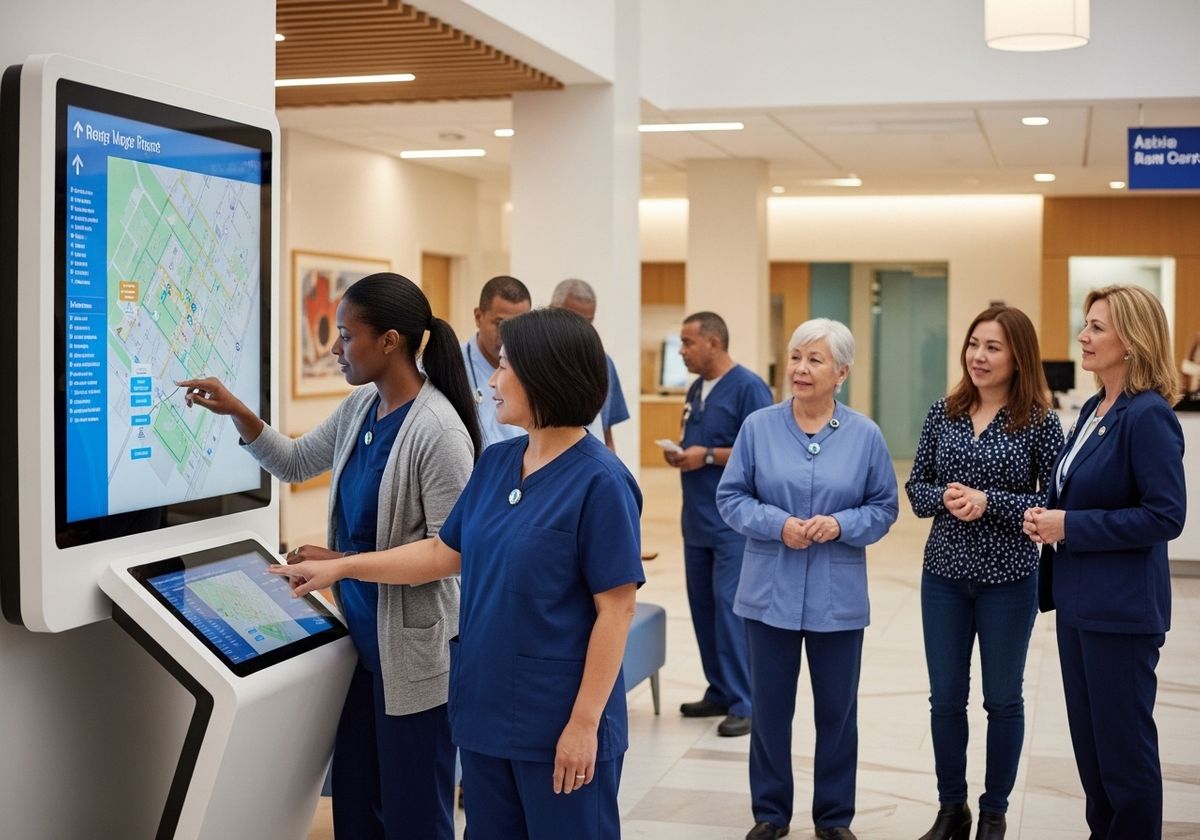
Interactive maps offer a dynamic and user-friendly approach to patient navigation. Deployed on kiosks, tablets, or even patients' own smartphones, these digital tools provide a wealth of information at users' fingertips. Interactive maps can offer turn-by-turn directions, searchable directories of doctors and services, and real-time updates on facility changes. They can also be integrated with other systems, such as appointment scheduling software, to provide personalized navigation experiences. For instance, a patient could receive a notification on their phone with directions to their appointment location upon arrival. Interactive maps can also collect valuable data on patient wayfinding behavior, allowing facilities to optimize layouts and improve navigation effectiveness.
Comparing Patient Navigation Outcomes
Studies have shown that interactive maps can significantly improve patient navigation outcomes compared to static signs alone. Interactive maps lead to reduced wayfinding time, decreased patient anxiety, and increased satisfaction. By providing clear, personalized guidance, these digital tools empower patients to navigate healthcare facilities with confidence and ease. The ability to search for specific locations, view detailed maps, and receive real-time updates can eliminate the frustration associated with traditional wayfinding methods. In addition, interactive maps can free up staff time by reducing the number of wayfinding inquiries, allowing them to focus on providing quality patient care.
Choosing the Right Solution
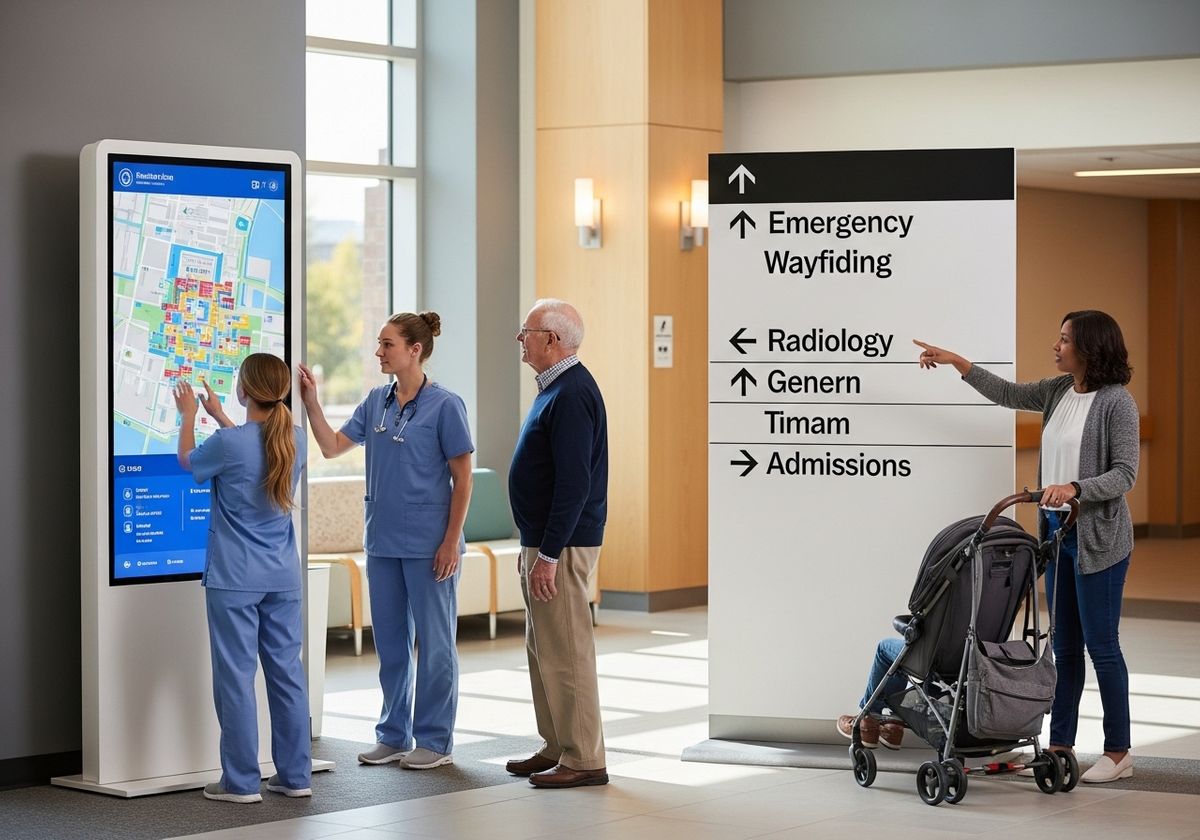
While interactive maps offer numerous advantages, static signs still play a role in patient navigation. A hybrid approach, combining the strengths of both methods, may be the most effective solution for many healthcare facilities. Static signs can provide a general overview of the facility's layout and highlight key landmarks, while interactive maps can offer detailed, personalized guidance for specific destinations. When selecting a patient navigation solution, it is essential to consider the size and complexity of the facility, the needs of the patient population, and the available budget.
At BES Industries, established in 2002, we understand the importance of creating a seamless and stress-free environment for patients and staff. Our audio visual equipment solutions, including interactive maps and digital signage, can help your healthcare facility optimize wayfinding and enhance the overall patient experience. Contact us today to learn more about our healthcare equipment and AV equipment solutions and how we can help you create a more patient-friendly environment.