
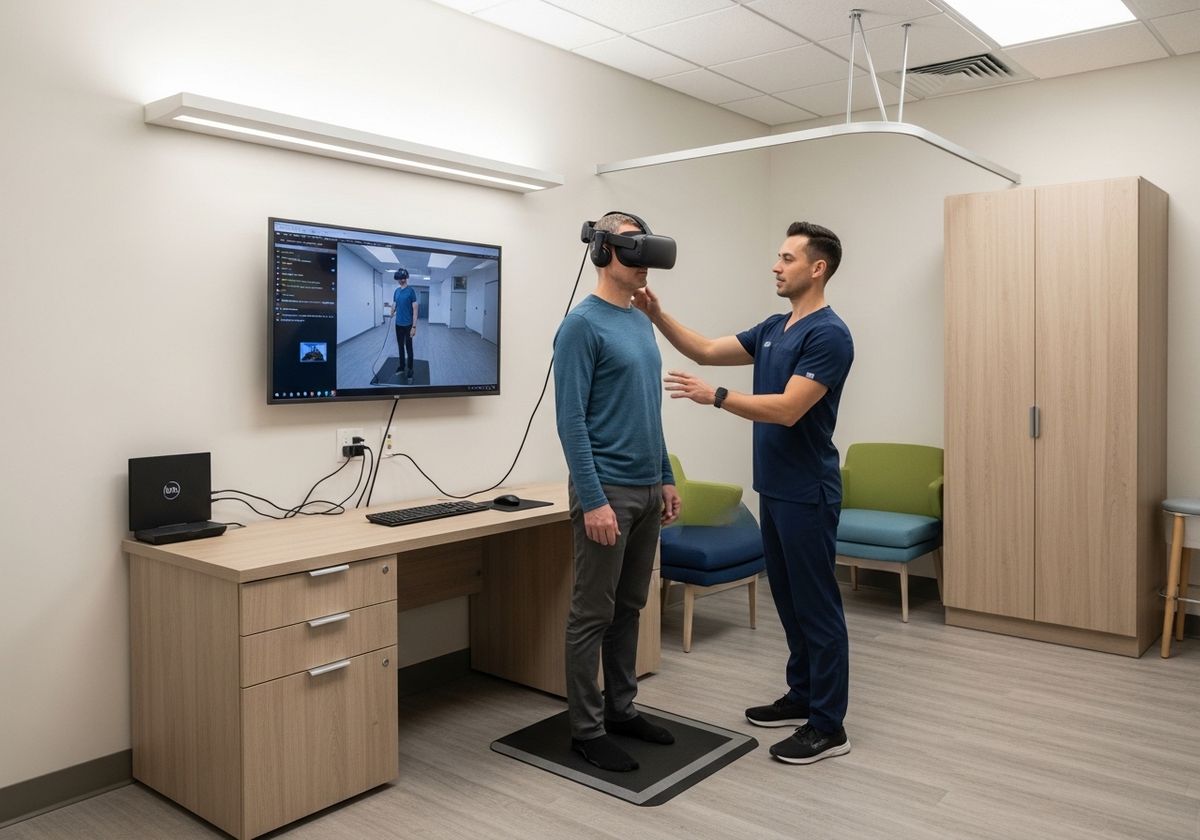
The integration of Virtual Reality (VR) into healthcare is rapidly transforming physical therapy, offering innovative solutions for patient rehabilitation and recovery. As healthcare institutions look to the future, designing patient rooms that accommodate and enhance VR therapy is becoming increasingly crucial. This blog post explores how BES Industries can help address key considerations for future-proofing patient rooms to seamlessly integrate VR physical therapy, ensuring that healthcare facilities can leverage this technology to its full potential.
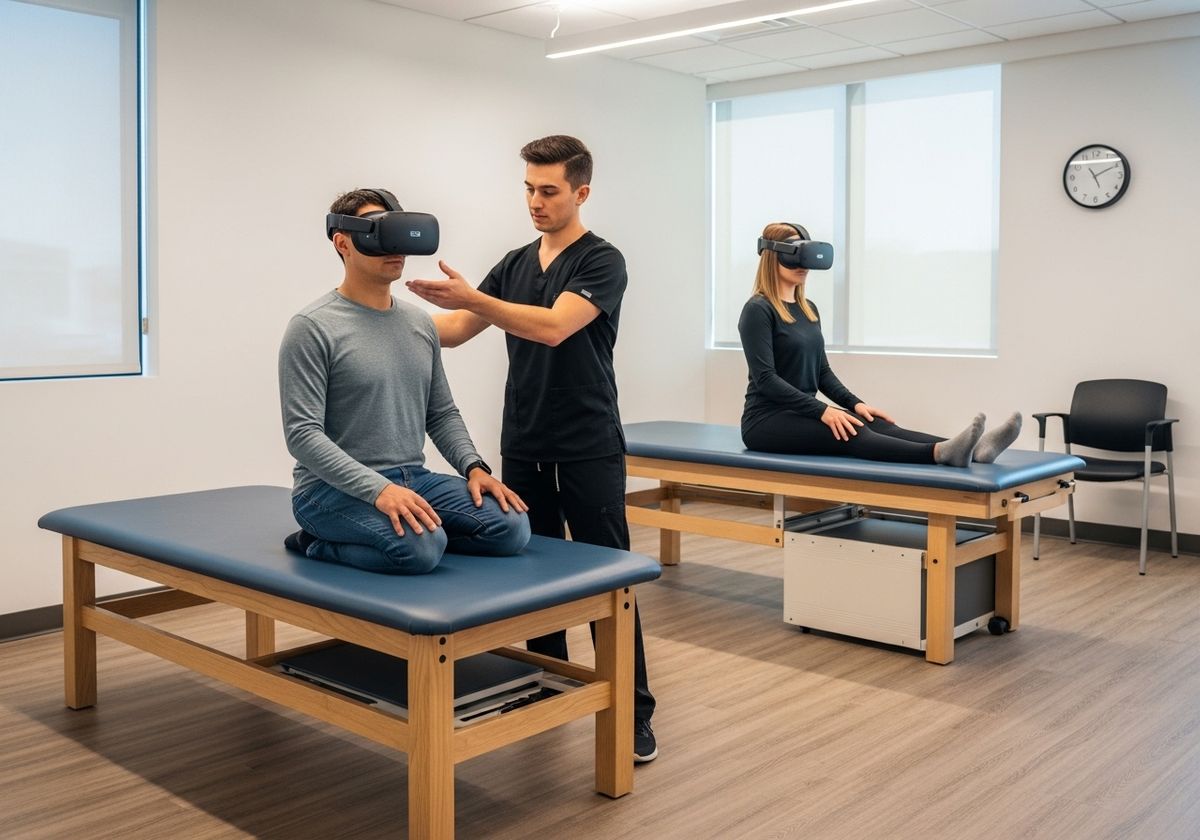
Optimizing Space and Layout
VR therapy often requires patients to have a dedicated, clear space to move freely and safely. When designing or retrofitting patient rooms, it's essential to:
Maximize Open Area: Ensure there's ample open space, free from obstacles, to prevent accidents during VR sessions.
Consider Room Size: Larger rooms are ideal, but even in smaller spaces, strategic furniture placement can create a suitable VR environment.
Implement Flexible Design: Opt for modular furniture that can be easily moved or stored to create more space when VR therapy is in use.
Integrating Technology Infrastructure
A robust technology infrastructure serves as the backbone of effective VR therapy, necessitating a foundation built for high-performance data and hardware support. To ensure a seamless experience, facilities must prioritize high-speed internet to facilitate stable, real-time interactions and content streaming. Also, the inclusion of strategically placed power outlets is essential for maintaining the charge and operation of VR headsets, controllers, and peripheral equipment. To complete the setup, integrating large displays or projection systems allows therapists to monitor a patient’s session in real-time, ensuring safety and precision throughout the rehabilitation process.
Ensuring Safety and Comfort
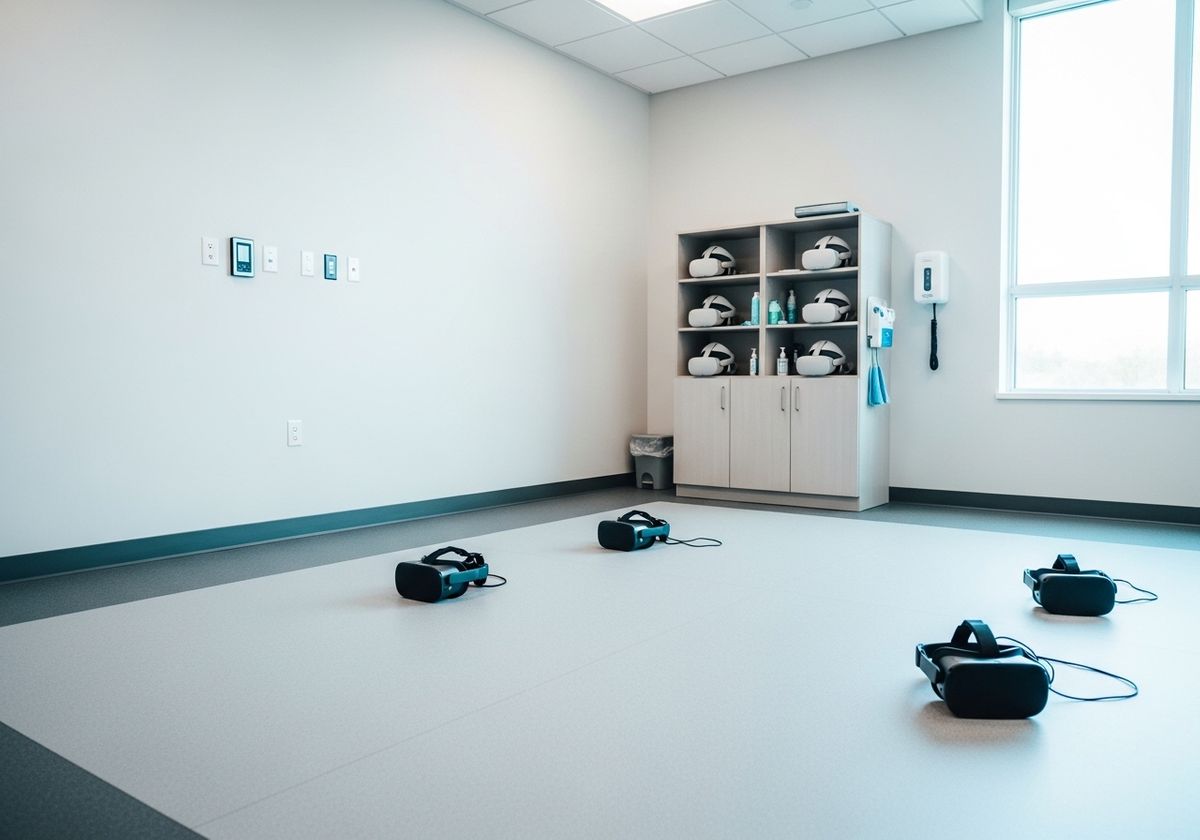
Prioritizing patient safety and comfort is paramount when implementing VR therapy, as the immersive nature of the technology requires a carefully controlled environment. To mitigate the risk of falls during sessions, it is essential to install non-slip safety flooring that provides a stable surface for movement. The room should also feature precise environmental controls for temperature and lighting to optimize comfort and minimize external distractions. Strict hygiene considerations must be maintained as well, with VR headsets and accessories being thoroughly cleaned and sanitized between every use to prevent the spread of germs and ensure a sterile clinical environment.
Enhancing the Therapeutic Environment
The overall environment of a patient room plays a significant role in the effectiveness of VR therapy, as a well-designed space can deepen immersion and improve outcomes. Implementing noise reduction and soundproofing measures is essential to minimize external distractions, allowing patients to remain fully focused on their virtual experience. This is complemented by calming aesthetics, such as soothing colors, curated artwork, and the use of natural light, which work together to create a therapeutic atmosphere. Cosidering offering personalization options within the VR environment itself empowers patients, boosting their engagement and motivation throughout the recovery process.
For over two decades, BES Industries has been the preferred source for cutting-edge healthcare equipment, including audio visual equipment and multimedia systems, ensuring healthcare institutions have the tools they need to deliver exceptional care. With our years of experience, we are an authorized reseller of top brands like LG and is available 24/7 with exceptional customer service, we can help you integrate state-of-the-art AV equipment into your facility. Contact us today to explore how our solutions can transform your patient rooms and elevate the standard of care at your institution.