
At BES Industries, we understand that a successful surgical outcome extends far beyond the operating table. While the skill of the surgeon is paramount, the environment in which a patient recovers plays a surprisingly critical role in their healing journey. Recent data indicates a strong correlation between ambient room conditions—specifically temperature and humidity—and the speed of post-surgical recovery. By neglecting these environmental factors, healthcare facilities may inadvertently slow down healing processes or increase the risk of complications. We believe in taking a holistic approach to healthcare infrastructure, ensuring that every element, from the equipment in the room to the air the patient breathes, is optimized for superior clinical outcomes.
The Correlation Between Patient Room Climate Control and Post-Surgical Recovery Rates
The Physiological Impact of Temperature on Healing
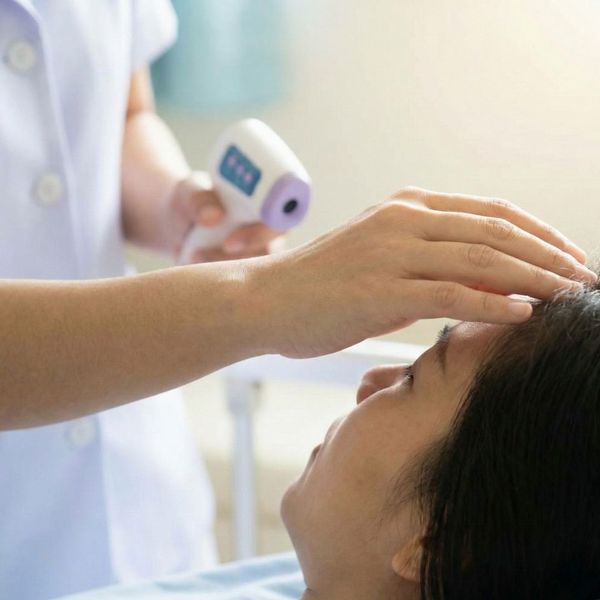
Human physiology is incredibly sensitive to thermal variations, especially after the trauma of surgery. When a patient’s room is too cold, their body expends vital energy on thermoregulation rather than tissue repair, potentially leading to vasoconstriction and reduced oxygen delivery to the wound site. Conversely, an overly warm environment can increase metabolic demand and promote inflammation. We know that maintaining a stable, neutral thermal zone helps the body focus its resources entirely on cellular regeneration.
Controlling Humidity to Mitigate Infection Risks
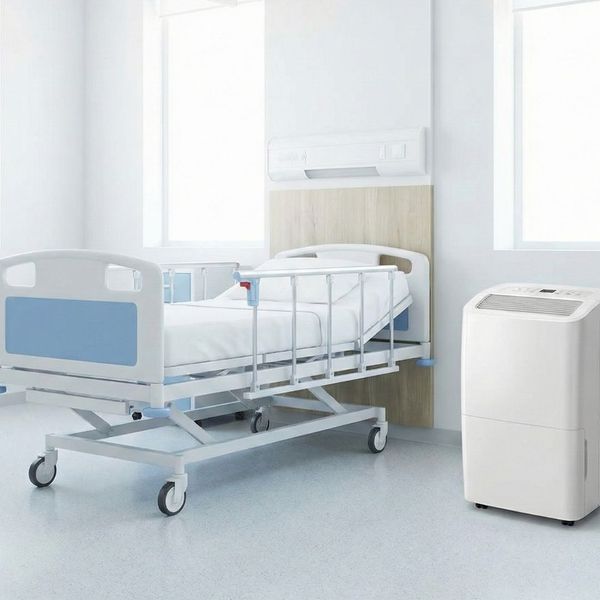
Beyond temperature, relative humidity is a decisive factor in maintaining a sterile and safe recovery environment. High humidity levels can create a breeding ground for bacteria and mold, significantly increasing the risk of surgical site infections (SSIs). On the other hand, air that is too dry can irritate respiratory tracts and dehydrate mucous membranes, compromising the body’s natural defense mechanisms. We emphasize utilizing advanced HVAC solutions that actively monitor and balance humidity levels to prevent these adverse scenarios.

Promoting Restorative Sleep Cycles
Sleep is perhaps the most potent natural healer, yet it is often elusive in hospital settings. Thermal discomfort is a primary cause of fragmented sleep for inpatients, disrupting the circadian rhythms necessary for hormonal balance and immune function. A room that is slightly cooler at night mimics the body's natural temperature drop, signalling that it is time to rest. By enabling precise thermal regulation, we help facilities foster the deep, restorative sleep cycles required for rapid post-surgical recovery.
The Value of Individualized Zoned Comfort
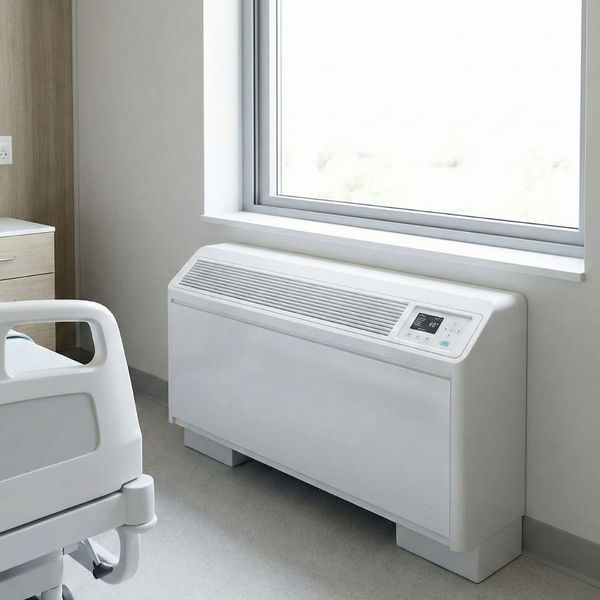
Every patient is unique, and their thermal comfort needs vary based on age, condition, and metabolic rate. Centralized HVAC systems often fail to accommodate these individual differences, leaving some patients shivering while others overheat. We advocate for zoned climate solutions, such as high-efficiency PTAC units, which allow for granular control at the room level. This empowerment not only improves physical comfort but also reduces patient anxiety, further contributing to a positive healing trajectory.
Ultimately, the connection between room climate and recovery rates is undeniable; a stable, controlled environment effectively becomes part of the treatment plan. By prioritizing precise temperature and humidity management, healthcare providers can reduce infection risks, improve sleep quality, and shorten hospital stays. At BES Industries, we specialize in equipping facilities with top-tier healthcare technology, including advanced PTAC air conditioning units and heating systems designed for these exact demands. Contact us today to discuss how our climate control solutions can enhance your facility's recovery environments and improve patient satisfaction.